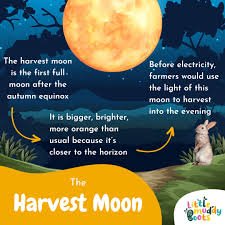
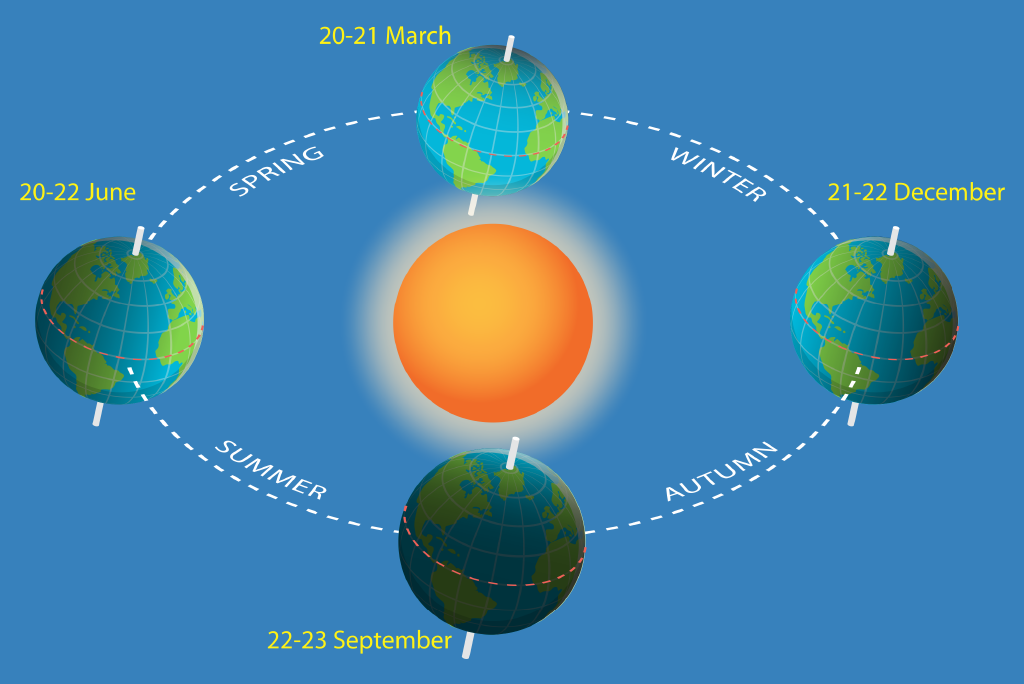
The Harvest Moon is the full moon that rises closest to the autumn equinox, usually in September. Unlike typical full moons, it seems larger and brighter, rising earlier for several nights in a row. This effect once gave farmers extra time to gather crops after sunset.
In many cultures, the Harvest Moon became a symbol of abundance and gratitude. Villages celebrated with music, food, and thanksgiving rituals, often marking the transition from summer’s warmth to autumn’s cool nights.
Today, the Harvest Moon still captivates skywatchers and photographers. Its golden glow makes it one of the most photogenic lunar events of the year. It also serves as a reminder of humanity’s deep ties to agriculture and the cycles of nature.
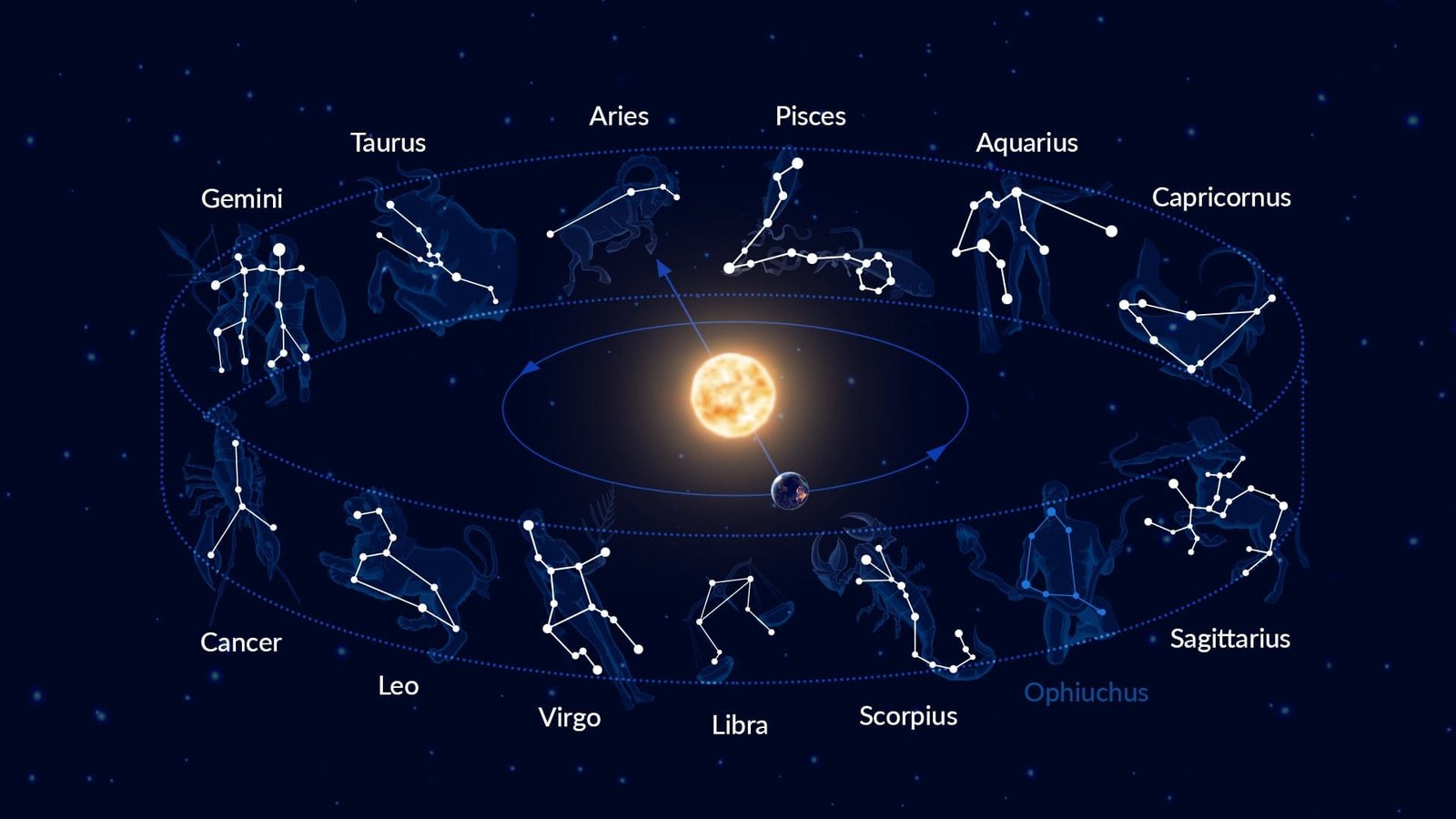
The zodiac is divided into 12 constellations that track the apparent path of the Sun across the sky. Originating in Babylonian astronomy, this system helped ancient people navigate seasons and predict celestial events. Over centuries, these signs evolved into the foundation of astrology.
Each zodiac sign is linked to qualities and symbols. For example, Leo is associated with courage and leadership, while Virgo is tied to diligence and service. Many cultures created myths around these constellations, embedding them in stories, art, and ritual.
Today, astrology is more of a cultural tradition than a scientific discipline. Still, millions worldwide check their horoscopes daily, finding comfort, entertainment, or personal insight in the zodiac’s archetypes. Whether you believe in astrology or not, it remains a powerful part of human culture and imagination.
From June to November, the Philippines enters its rainy season, shaped largely by the southwest monsoon (Habagat). This seasonal cycle brings essential water for agriculture, replenishes reservoirs, and cools the tropical climate.
Farmers rely on these rains to flood rice paddies, a practice vital to the nation’s food supply. But the wet season also carries risks, including flash floods, landslides, and typhoons. Communities often prepare by cleaning drainage systems, reinforcing homes, and attending disaster-readiness seminars organized by local governments.
Despite the hazards, the rainy season is seen as a period of renewal. Rivers swell, forests grow dense and green, and cooler air offers relief from the intense heat of the dry months. Festivals, too, often continue in the rain, showing how Filipinos adapt to and embrace their climate.
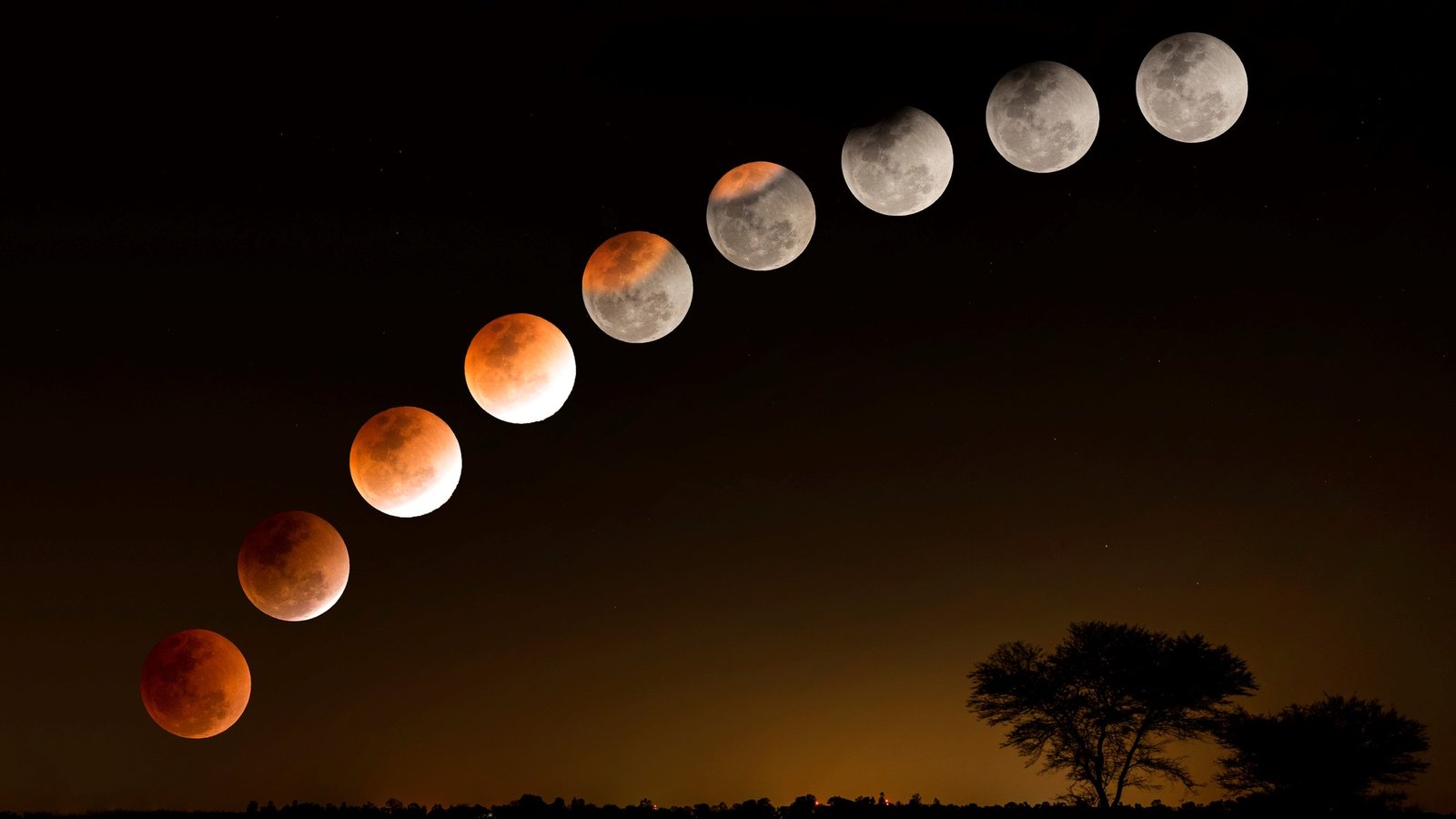
On September 7, 2025, a total lunar eclipse will be visible across much of Asia and Australia. During this celestial event, the Moon will pass fully into Earth’s shadow, turning a deep shade of red, often referred to as a “Blood Moon.”
This happens because while direct sunlight is blocked, some light bends through Earth’s atmosphere and scatters, casting a reddish glow on the Moon. The exact color depends on dust, volcanic ash, or pollution in the atmosphere at the time.
Unlike a solar eclipse, this phenomenon is safe to view with the naked eye. Stargazers are encouraged to find open spaces far from city lights for the best experience. For astronomers, the eclipse also provides valuable data about Earth’s atmosphere, since the light that bends around our planet carries information about its composition.
The summer solstice occurs around June 21st in the northern hemisphere. It’s the longest day of the year, when the tilt of Earth’s axis is closest to the sun. Ancient civilizations marked this day with festivals, rituals, and monuments like Stonehenge, which align perfectly with the sunrise.
Many cultures saw the solstice as a turning point in the cycle of nature. Farmers looked to the sky to decide when to plant and harvest, while priests and scholars interpreted the solstice as a sacred event that symbolized balance and renewal.
In modern times, midsummer festivals are still celebrated in Scandinavia with bonfires, flower crowns, and feasting. Astronomers continue to use the solstice as a marker for seasonal change, while climate scientists study shifts in daylight length to understand how global warming affects Earth’s tilt and weather patterns.