Astronomers have announced the discovery of an exoplanet orbiting a nearby red dwarf star, located just 40 light-years away. The planet lies within the star’s habitable zone, where conditions may allow liquid water to exist.
Early observations suggest it has a rocky surface and an atmosphere capable of supporting climate systems. While no evidence of life has been detected, scientists are excited about the possibility that it could harbor microbial organisms or other simple life forms.
This discovery adds to a growing list of potentially habitable planets. Each finding brings humanity closer to answering one of our oldest questions: are we alone in the universe? With new telescopes like the James Webb Space Telescope, further exploration of this exoplanet is already underway.
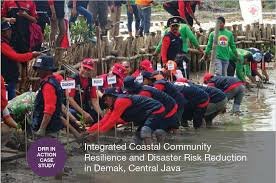
As typhoon season approaches, coastal towns across the Philippines are ramping up preparedness campaigns. Local governments, in partnership with disaster agencies, are conducting evacuation drills, first-aid workshops, and community education programs.
Schools have become key centers of information, teaching children how to respond when strong winds and heavy rains arrive. Families are encouraged to prepare “go bags” containing food, water, and medicine.
These initiatives are vital, given that the Philippines faces an average of 20 tropical cyclones annually. By strengthening awareness and readiness, communities hope to reduce casualties and property damage, while also building resilience for future storms.
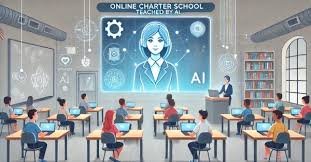
Across the globe, schools and universities are experimenting with AI-powered tutoring systems. These digital assistants provide personalized learning experiences, helping students master math, science, and languages at their own pace.
Unlike traditional classrooms, AI tutors can track a student’s progress, identify weak areas, and offer targeted exercises. For teachers, this technology provides valuable data that can improve lesson planning and classroom management.
While some worry about over-reliance on technology, early results suggest that AI tutors are not replacing teachers but enhancing their ability to reach more students effectively. The challenge ahead lies in ensuring equal access to this technology, especially in developing countries where resources are limited.
Solar technology continues to evolve, with scientists developing perovskite-silicon tandem solar cells that achieve record-breaking efficiencies of over 30%. This breakthrough could drastically reduce the cost of renewable energy and make it more accessible worldwide.
Unlike traditional silicon panels, perovskite cells can be produced at lower costs and with greater flexibility. This means solar installations could soon appear not just on rooftops, but also in windows, vehicles, and even clothing.
Governments and investors are taking notice. As fossil fuel concerns grow, solar technology is emerging as one of the most promising solutions to climate change. For homeowners, the possibility of cheaper panels may mean a faster return on investment and cleaner energy bills.
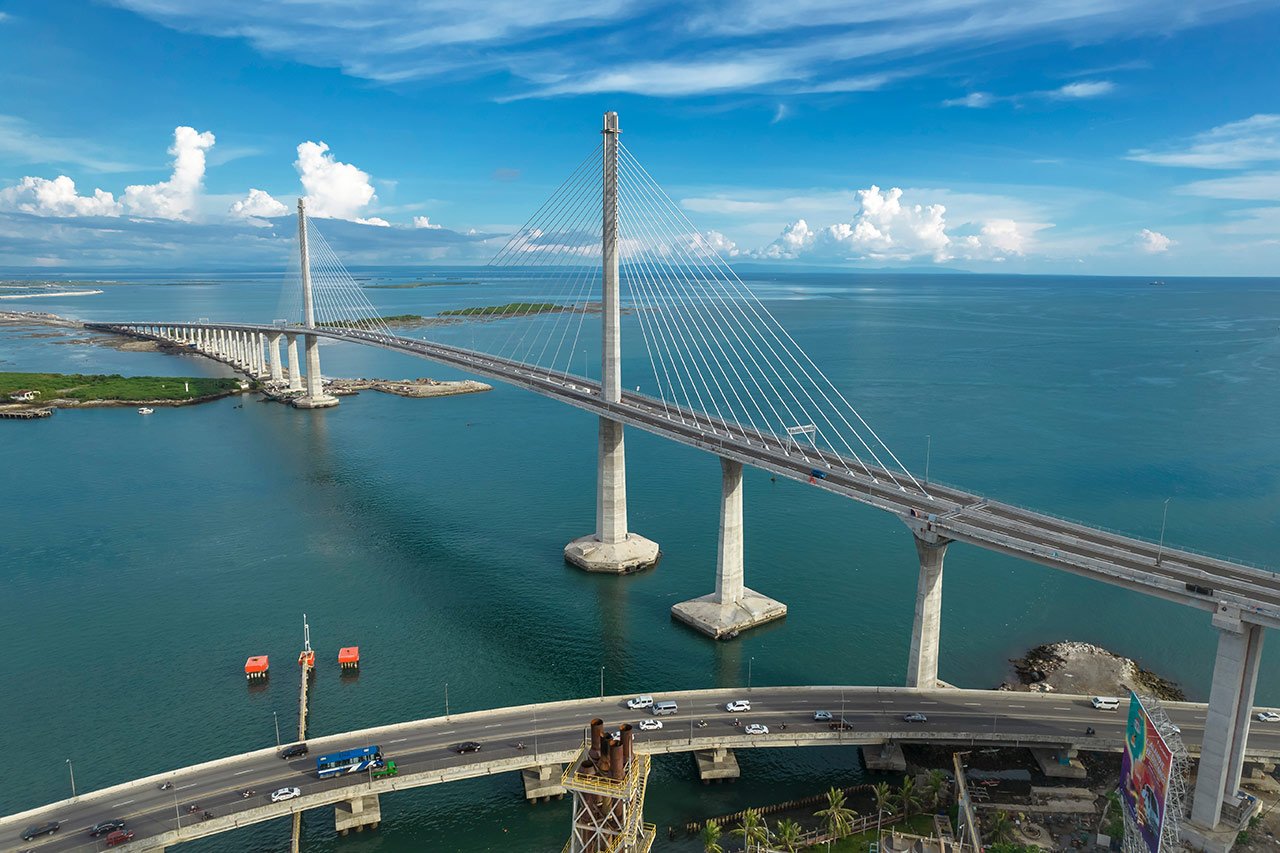
The Cebu–Cordova Link Expressway (CCLEX) officially opened to the public, marking a significant milestone in Philippine infrastructure. Stretching 8.9 kilometers, it connects Cebu City to Mactan Island, drastically cutting travel time between key economic hubs.
Local businesses are expected to benefit from easier transportation of goods and smoother logistics. Tourism may also see a boost, as visitors now have a faster route to Mactan’s beaches and resorts.
The bridge is not only an engineering feat but also a symbol of progress for the region. Designed to withstand typhoons and earthquakes, it represents a long-term investment in resilience and mobility. For commuters, it means less time on the road and more time with family.